
Stay in Touch: Why Annual Doctor Visits are Essential for Your Health

Keeping in contact with your doctor at least once a year is a simple step that can have a powerful impact on your overall health. Many people skip routine check-ups when they feel fine, but regular visits help catch potential problems early, manage existing conditions, and maintain a healthy lifestyle. This post explains why scheduling an annual appointment with your doctor is crucial and how it benefits you in the long run.
Why Annual Doctor Visits Matter
Annual visits allow your doctor to monitor your health over time. This ongoing relationship helps identify changes that might not be obvious to you. For example, blood pressure or cholesterol levels can rise without symptoms but increase the risk of heart disease. Detecting these changes early means you can take action before serious problems develop.
Doctors also use these visits to update vaccinations, screen for cancers, and review medications. This is especially important as you age or if you have chronic conditions like diabetes or asthma. Regular check-ups help keep your treatment plans on track and adjust them as needed.
What Happens During a Yearly Check-Up
A typical annual visit includes:
- Health history review: Your doctor asks about any new symptoms, lifestyle changes, or family health updates.
- Physical exam: Checking vital signs like blood pressure, heart rate, and weight.
- Screening tests: Blood tests, urine tests, or other screenings based on your age, sex, and risk factors.
- Preventive care: Vaccinations, counseling on diet, exercise, and quitting smoking.
- Discussion: Time to ask questions or discuss concerns about your health.
This comprehensive approach helps your doctor build a clear picture of your health and catch issues early.
How Annual Visits Help Prevent Serious Illnesses
Many serious diseases develop slowly and silently. Regular check-ups increase the chance of early detection, which often leads to better outcomes. For example:
- Heart disease: High blood pressure and cholesterol can be managed before causing heart attacks or strokes.
- Diabetes: Early diagnosis allows lifestyle changes and medication to prevent complications.
- Cancer: Screenings like mammograms or colonoscopies detect cancer at treatable stages.
- Mental health: Doctors can identify signs of depression or anxiety and recommend support.
By staying in touch with your doctor yearly, you reduce the risk of emergencies and costly treatments later.
Overcoming Barriers to Annual Doctor Visits
Some people avoid yearly visits due to cost, time, or fear. Here are ways to overcome these challenges:
- Cost: Check if your insurance covers preventive care. Many plans do, often with no out-of-pocket cost.
- Time: Schedule appointments during less busy times or combine visits with other errands.
- Fear or anxiety: Bring a friend or family member for support. Remember, doctors are there to help, not judge.
- Lack of symptoms: Understand that feeling fine doesn’t always mean you are healthy. Prevention is key.
Making the visit a priority helps you stay proactive about your health.
Tips to Make the Most of Your Annual Visit
To get the best from your yearly check-up:
- Prepare a list of questions or concerns beforehand.
- Bring a list of current medications and supplements.
- Share any changes in your lifestyle, such as diet, exercise, or stress.
- Be honest about habits like smoking or alcohol use.
- Follow up on any tests or referrals your doctor recommends.
Active participation helps your doctor provide personalized care.
When to See Your Doctor More Often
While yearly visits are a good baseline, some people need more frequent check-ups:
- Those with chronic illnesses like diabetes, heart disease, or asthma.
- People taking multiple medications.
- Individuals with a family history of certain diseases.
- Older adults or those with weakened immune systems.
Your doctor will advise you on the best schedule based on your health needs.
The Role of Technology in Staying Connected
Many clinics now offer telehealth visits, making it easier to check in with your doctor without leaving home. This can be especially helpful for follow-ups or discussing test results. Use patient portals to access your health records, schedule appointments, and communicate securely with your healthcare team.
Technology supports regular contact and helps you stay informed about your health.
Building a Long-Term Relationship with Your Doctor
Seeing the same doctor each year builds trust and understanding. Your doctor learns your health history and preferences, which improves care quality. You feel more comfortable discussing sensitive topics and following medical advice.
A strong doctor-patient relationship encourages better health habits and early problem detection.
Recent posts
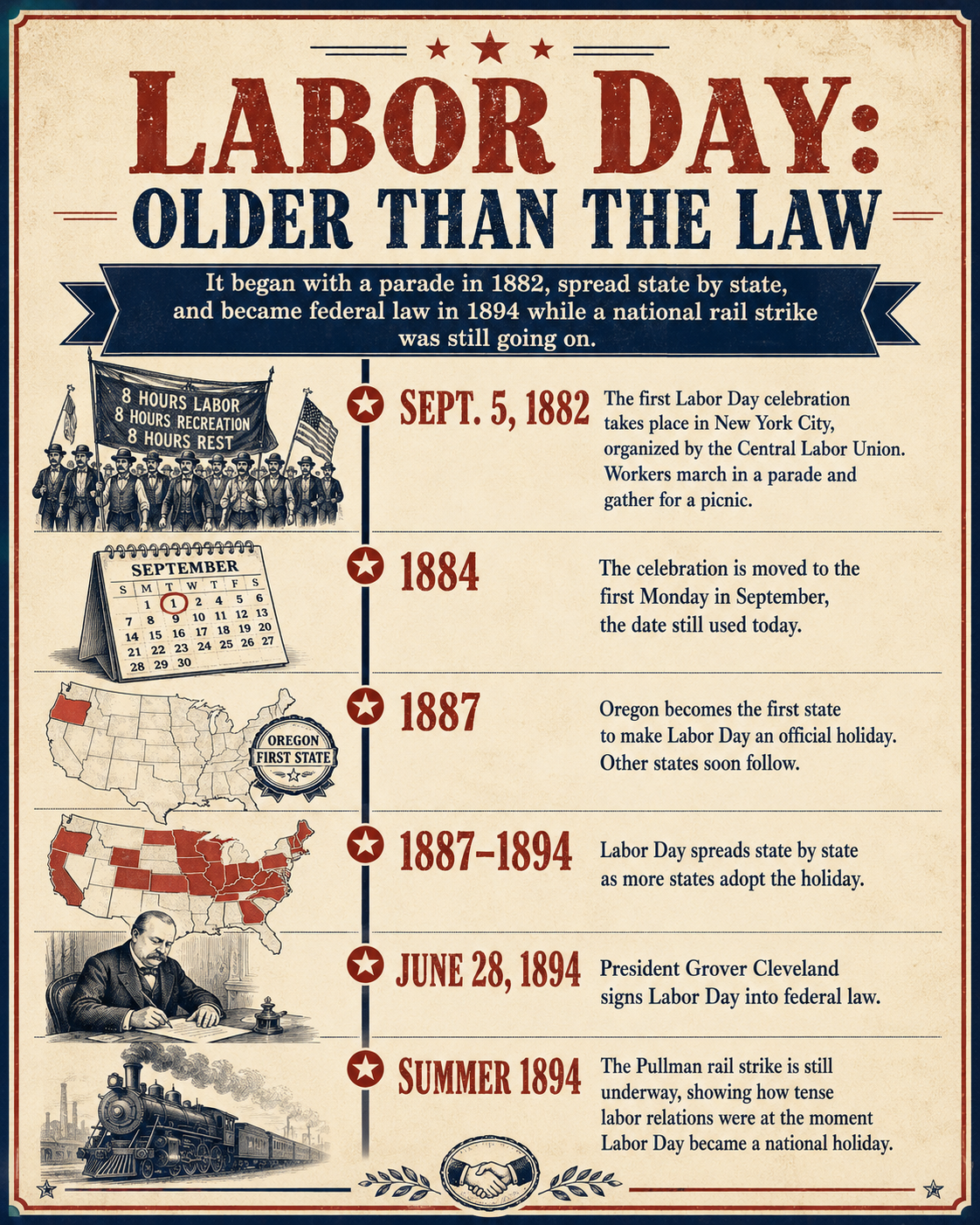
Why the first Monday in September is a holiday
Labor Day is older than the law that created it. It started with a parade in New York in 1882, spread state by state, and became federal law in 1894 while a national rail strike was still going on. A short history, with the dates.
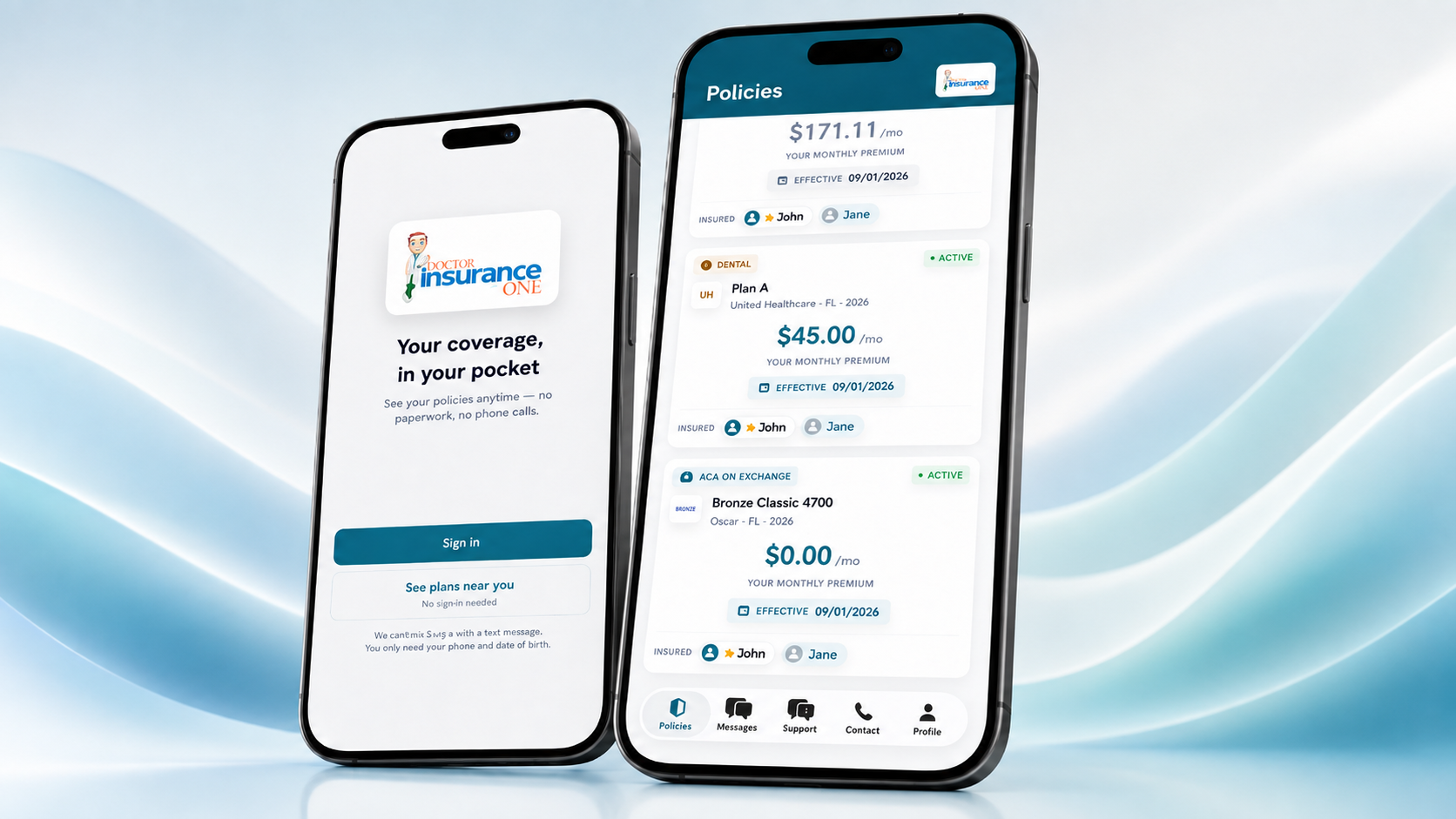
Your insurance card, without the phone call
You can now see your policies, find your member ID, ask for your insurance card and message your agent from your phone. It is free, it is in English and Spanish, and getting in takes about two minutes. Here is what it does, and what it does not.

Cigna and Baylor Scott & White Are Leaving the Marketplace After 2026
Two big names are ending their Marketplace plans on December 31, 2026 with close to half a million people. Nothing changes this year. Here is what happened, why so many companies are leaving at once, and what to do before Open Enrollment.