
What’s New for the ACA in 2026

Introduction
As we approach the 2026 plan-year for marketplace coverage under the ACA, a number of important changes are coming into effect. These changes impact premiums, subsidies, enrollment rules, and plan design, and will matter for agents advising clients and consumers selecting coverage. Below are the major changes you should know.
Key Changes
Expiration of enhanced premium tax credits (subsidies)
- The extra subsidy levels established under the American Rescue Plan Act and extended via the Inflation Reduction Act are scheduled to expire at December 31, 2025 unless Congress acts.
- What this means: in 2026, while subsidies will still exist, the amounts of “premium assistance” for eligible enrollees may revert to pre-2021 levels (i.e., less generous) in many cases.
- As a result, many enrollees could see significantly higher out-of-pocket premiums. For example, one estimate shows premiums rising more than 75 % for many affected by the subsidy drop.
- Implication for agents: It means increased need to review client eligibility, anticipated income, subsidy impacts and plan choices especially in Florida and Texas where the marketplace plans are widely used.
Sharp increases in premiums for marketplace plans
- Insurers participating in ACA Marketplaces are proposing larger than usual premium increases for the 2026 plan year: a median of about 18 % nationally (with many filings ranging from ~12 % to ~27 %).
- Some of this increase is driven by rising healthcare costs (e.g., specialty drugs, inflation, labour, provider costs) but also by the anticipated subsidy expiration (which affects enrollee mix).
- For clients, this means even if income remains constant and plan category doesn’t change, monthly premiums may go up significantly, so budgeting and offering alternative scenarios is key.
Changes to cost-sharing and plan design parameters
- The federal rule known as the “Marketplaces Integrity & Affordability” Final Rule sets updated parameters for plan year 2026: maximum annual limitation on cost-sharing, required contribution percentages, and aligning adjustments more closely with market trends.
- That means deductibles, out-of-pocket maximums, and other cost-sharing features may increase in 2026. One source notes projected out-of-pocket max rising to ~$10,600 for self-only and ~$21,200 for family coverage (estimates).
- Agents will need to walk through with clients: not only will premiums likely be higher, but the “skin in the game” could also increase.
Enrollment and eligibility rule changes
- The new rule requires more robust verification of eligibility for premium tax credits (PTCs). For example, auto-re-enrollment into Marketplace plans will be restricted because of tighter ongoing verification.
- The low-income Special Enrollment Period (SEP) for individuals at or below ~150% of the Federal Poverty Level (FPL) is being paused (for plan year 2026) in many states/exchanges.
- Some immigration/eligibility changes: for example, those under the Deferred Action for Childhood Arrivals (DACA) program are no longer eligible for marketplace coverage in many cases.
- Implication: Agents will need to collect and verify more documentation, review household income and immigration status more closely, and alert clients to narrower windows or restricted enrollment rights.
Access and competition considerations
- Some states or insurers may withdraw or reduce participation in the individual (ACA) market, or shift plan offerings, due to increased cost pressure and regulatory shifts.
- For example, “catastrophic” health plans and Bronze level plans are also being reevaluated in design and eligibility.
- For agents: It will be more important to compare available networks, plan choices, state-specific marketplace nuances and to review alternative funding options.
Conclusion
In summary: 2026 will bring significant change in the ACA marketplace environment.
- Less generous subsidies (unless extended),
- higher premiums,
- tougher eligibility/enrollment processes,
- higher cost-sharing,
these all mean that consumers and agents alike must plan earlier, review thoroughly, and budget for higher costs.
Recent posts
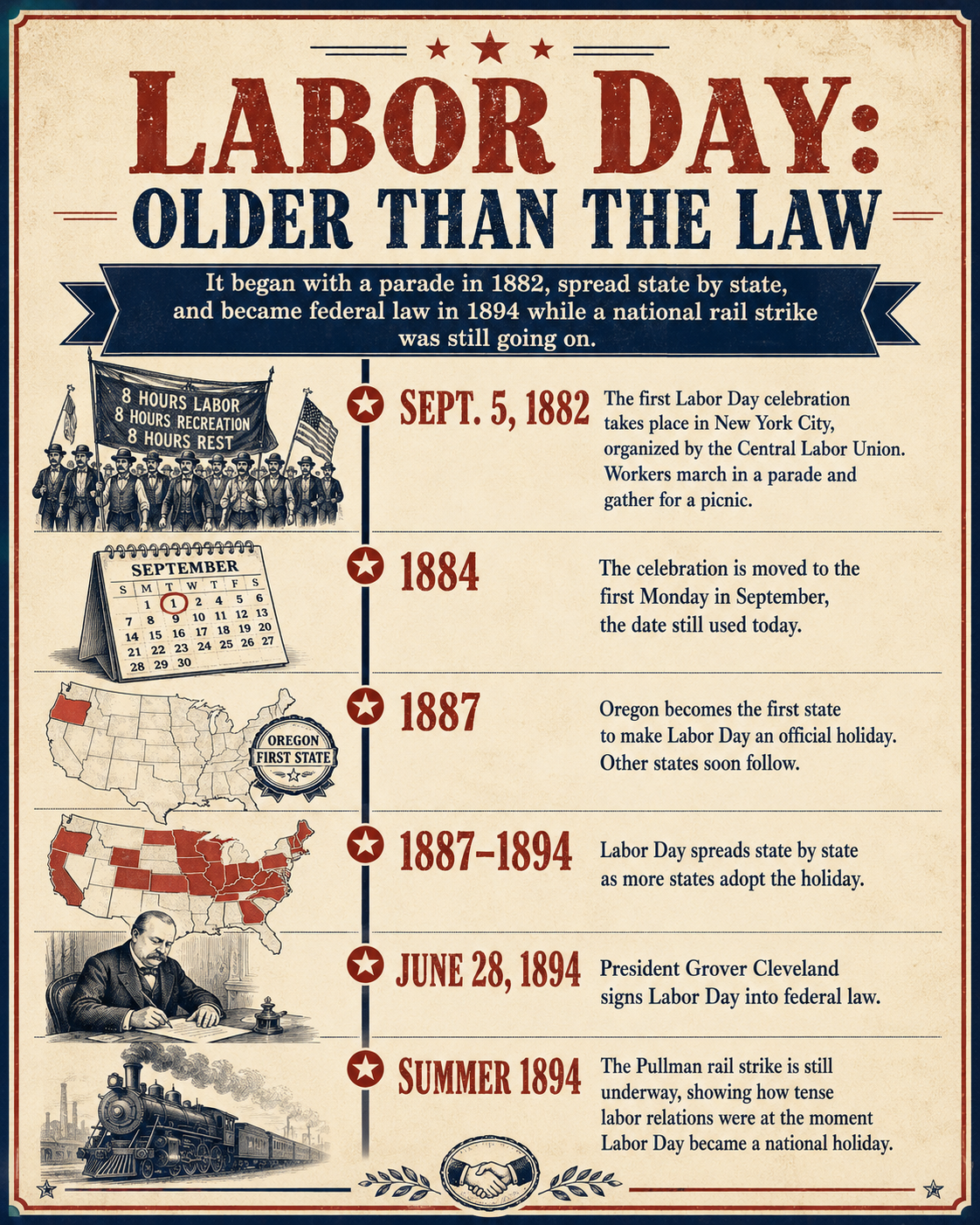
Why the first Monday in September is a holiday
Labor Day is older than the law that created it. It started with a parade in New York in 1882, spread state by state, and became federal law in 1894 while a national rail strike was still going on. A short history, with the dates.
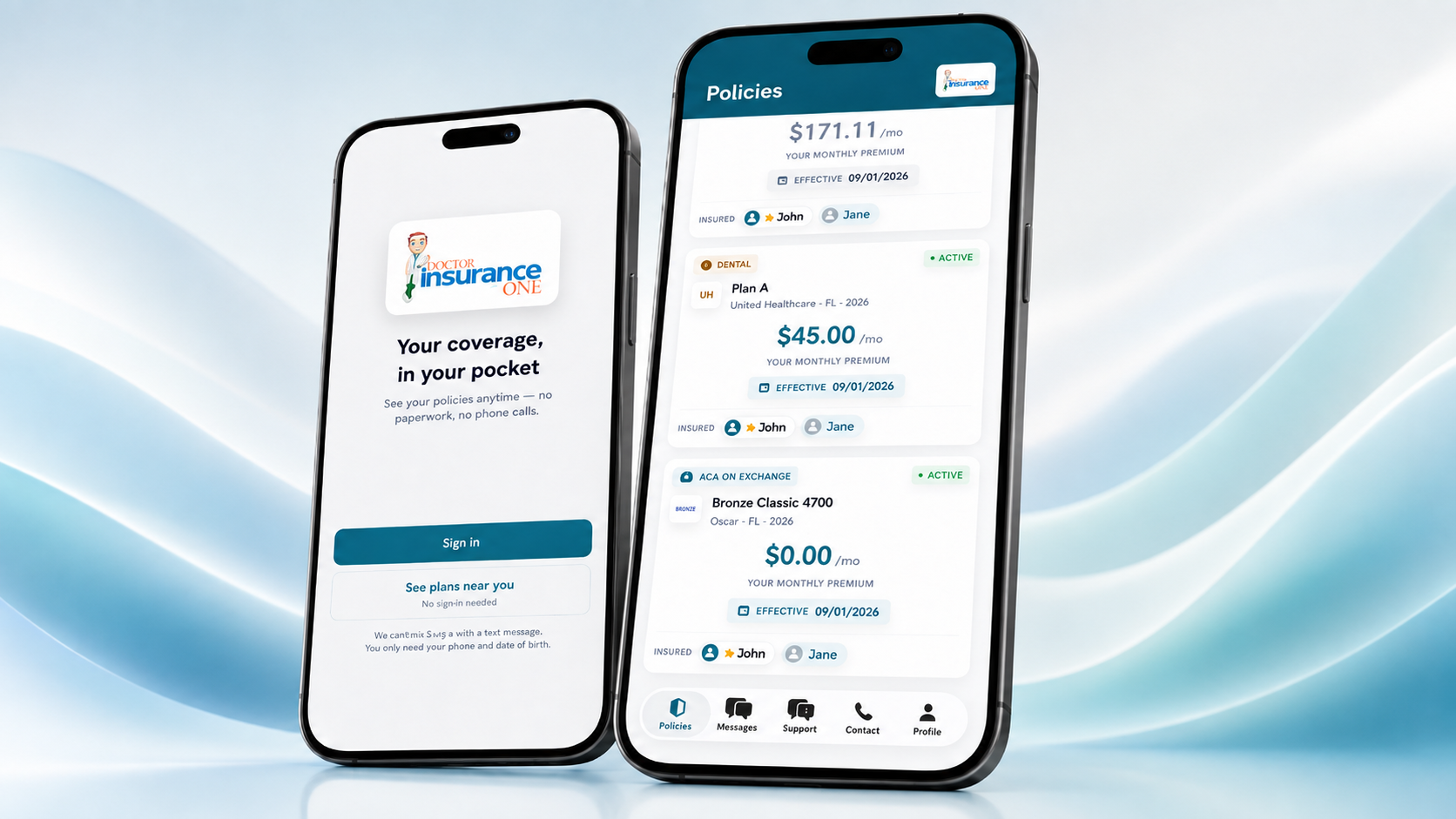
Your insurance card, without the phone call
You can now see your policies, find your member ID, ask for your insurance card and message your agent from your phone. It is free, it is in English and Spanish, and getting in takes about two minutes. Here is what it does, and what it does not.

Cigna and Baylor Scott & White Are Leaving the Marketplace After 2026
Two big names are ending their Marketplace plans on December 31, 2026 with close to half a million people. Nothing changes this year. Here is what happened, why so many companies are leaving at once, and what to do before Open Enrollment.